- Free Consultation* (316) 265-0797 Tap Here to Call Us




How to Avoid Scams: Protect Your Money, Identity, and Family in Kansas


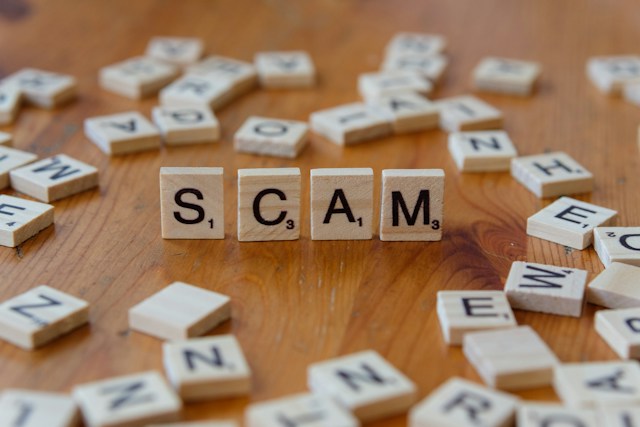
A text message about an unpaid toll. A caller claiming to be your bank. An urgent request for money from someone who sounds exactly like your grandchild. Scams can begin with ordinary-looking messages—and quickly become expensive problems.
Knowing how to avoid scams starts with a simple habit: pause before you pay, click, or share personal information. For Kansas individuals and families, a few verification steps can help protect savings, personal information, and major financial transactions.
Recognize the Warning Signs of a Scam
Scammers change their stories, but many use the same pressure tactics. The Federal Trade Commission’s scam-prevention guidance identifies common patterns: pretending to represent a trusted organization, claiming there is a problem or prize, pressuring you to act immediately, and insisting on particular payment methods.
Be especially cautious when someone:
- Demands immediate payment to avoid arrest, account closure, or another threatened consequence.
- Tells you to keep the conversation secret or not speak with your family or bank.
- Requests gift cards, cryptocurrency, or an urgent wire transfer.
- Asks for passwords, account credentials, or one-time security codes.
- Claims you must move money to a “safe” account to protect it.
- Says you won a prize but must pay a fee before receiving it.
Urgency is a reason to slow down—not a reason to skip verification.
1. Verify Who Is Contacting You
Do not rely on caller ID, a familiar logo, or the name displayed in an email. An unexpected message may appear to come from a bank, government agency, delivery company, or trusted professional.
If a message concerns you, contact the organization using a number from your bank card, an account statement, or a website you independently locate. Do not use the phone number or link supplied in the suspicious message.
For example, if someone claims your bank account has been compromised, end the call and contact your bank directly. The FTC’s impersonator scam guidance explains why independently checking the caller’s story matters.
2. Avoid Clicking Unexpected Links
Phishing messages try to get you to reveal information or visit a fraudulent website. They may claim that a payment failed, a package cannot be delivered, or an account needs immediate attention.
Instead of clicking, open the company’s app yourself or type its known website address into your browser. Treat unexpected attachments with the same caution.
Additional precautions include:
- Use strong, unique passwords for important accounts.
- Enable multifactor authentication where available.
- Keep your devices, browser, and security software updated.
- Do not give an unexpected caller remote access to your computer or phone.
- Never share a security code with someone who contacts you unexpectedly.
The Kansas Attorney General’s communication safety guidance provides additional information about phishing and fraudulent messages.
3. Confirm Family Emergencies Before Sending Money
A panicked caller may claim to be a child, grandchild, or other relative who needs money immediately. Hearing a familiar voice does not prove the caller is genuine: the FTC warns that scammers can use artificial intelligence to clone a loved one’s voice.
Hang up and call your relative at a number you already know. If you cannot reach them, contact another trusted family member to check the story. Consider establishing a private family verification phrase, but do not use it as a substitute for an independent callback.
Do not let a demand for secrecy prevent you from checking whether an emergency is real.
4. Independently Confirm Wire Instructions Before a Real Estate Closing
Buying a home or completing another large transaction involves significant funds. As a protective practice, verify wiring instructions directly with your closing professional using a previously verified telephone number—not a number in a new email announcing changed instructions.
Before sending money:
- Call to confirm the recipient, bank, and account details.
- Treat last-minute changes in payment instructions as a reason to stop and verify.
- Do not assume instructions are authentic because they appear in an existing email conversation.
- Ask the receiving office to confirm receipt after the transfer.
The Kansas Attorney General’s guidance on protecting your money cautions that wiring money is like sending cash. Taking time to verify instructions is easier than trying to recover a fraudulent transfer.
5. Make Scam Prevention Part of Your Family’s Financial Planning
Scam prevention is not only a technology issue. It also involves communication and planning.
Consider discussing these safeguards with your family:
- Identify a trusted person to consult before making an unusual payment.
- Set up account alerts to help spot unfamiliar transactions.
- Review statements regularly for unauthorized charges or withdrawals.
- Keep an organized record of important accounts and professional contacts in a secure location.
- Talk openly about suspicious calls and messages so family members feel comfortable asking for help.
Estate planning can also be a useful opportunity to discuss who should assist with financial affairs if help becomes necessary. A power of attorney is not a guarantee against fraud, and naming an agent requires careful thought about trustworthiness and the authority being granted.
What to Do If You Were Scammed
If you sent money or shared sensitive information, act promptly. The FTC’s recovery guidance explains steps based on how you paid and what information was exposed.
- Contact your bank or payment provider immediately. Explain that the transaction involved suspected fraud and ask whether it can be stopped, reversed, or recalled. Recovery is not guaranteed.
- Secure affected accounts. Change compromised passwords, update reused passwords elsewhere, and review account activity. If someone accessed your device remotely, take steps to secure the device as well.
- Preserve evidence. Save messages, receipts, payment confirmations, phone numbers, and screenshots.
- Report the scam. Follow the FTC’s reporting instructions and consider submitting a complaint through the Kansas Attorney General’s Consumer Protection Division.
- Address possible identity theft. If sensitive identifying information was exposed, consider a credit freeze with each of the three nationwide credit bureaus. The Kansas Attorney General’s identity-protection guidance explains how a freeze can help prevent new credit accounts from being opened in your name. It does not stop every form of fraud or protect existing accounts by itself.
Be cautious of anyone who contacts you afterward and demands an upfront fee to recover your money. The FTC warns that recovery offers can themselves be scams.
Frequently Asked Questions About Avoiding Scams
How can I tell whether a call from my bank is legitimate?
The safest approach is to end an unexpected call and contact the bank using the number on your card or statement. Do not provide passwords or security codes to the caller.
Can scammers really imitate a family member’s voice?
Yes. The FTC warns that AI-generated voice cloning can be used in family emergency scams. Verify the situation by calling your relative or another trusted person at a known number before sending money.
What should I do first if I sent money to a scammer?
Contact the bank or payment provider immediately and ask what recovery options are available. Save the evidence and report the incident. Acting quickly may help, but it does not guarantee that the money will be returned.
Does a credit freeze stop all identity theft?
No. A credit freeze can help prevent someone from opening new credit accounts in your name, but you should still monitor existing accounts and address any exposed information.
Protect Your Financial Future
You do not have to respond immediately just because someone demands it. Pause, independently verify the request, and speak with someone you trust before sending money or disclosing sensitive information.
If you have questions about incorporating financial safeguards into your estate plan, contact our office to discuss your planning needs.
Photo by Markus Winkler on Unsplash.
This post provides general educational information, not legal advice. Reading this post or contacting our office does not, by itself, create an attorney-client relationship. The appropriate response to suspected fraud depends on the circumstances.
Address
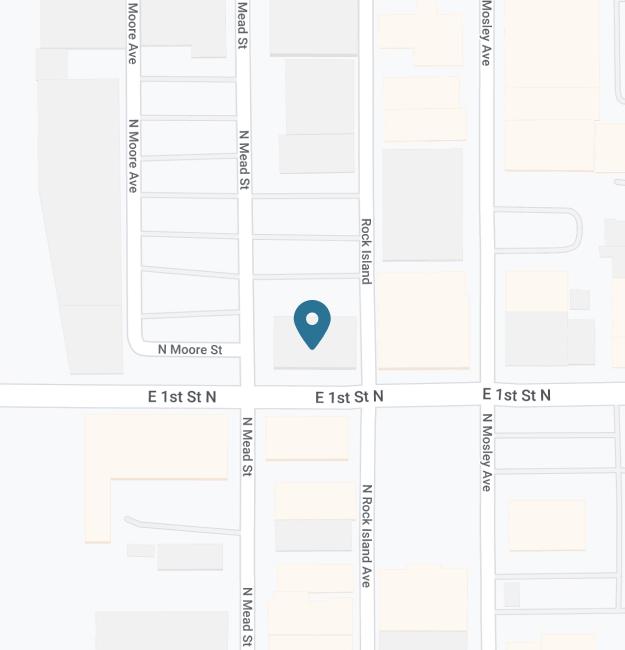
Our offices are located in the heart of Wichita's Old Town at the corner of First and Mead with plenty of free parking available.