



Learn about trustee duties and responsibilities under Kansas law. Minter & Pollak, LC explains fiduciary duties, trust administration, and how trustees protect beneficiaries.
Continue reading ›


Learn about trustee duties and responsibilities under Kansas law. Minter & Pollak, LC explains fiduciary duties, trust administration, and how trustees protect beneficiaries.
Continue reading ›
Learn what happens if you become incapacitated without a power of attorney and how proper estate planning can protect your finances, healthcare, and family.
Continue reading ›
Wondering what assets should be put into a trust? Learn which assets belong in a revocable living trust, which should stay out, and how Minter & Pollak Attorneys can help protect your estate.
Continue reading ›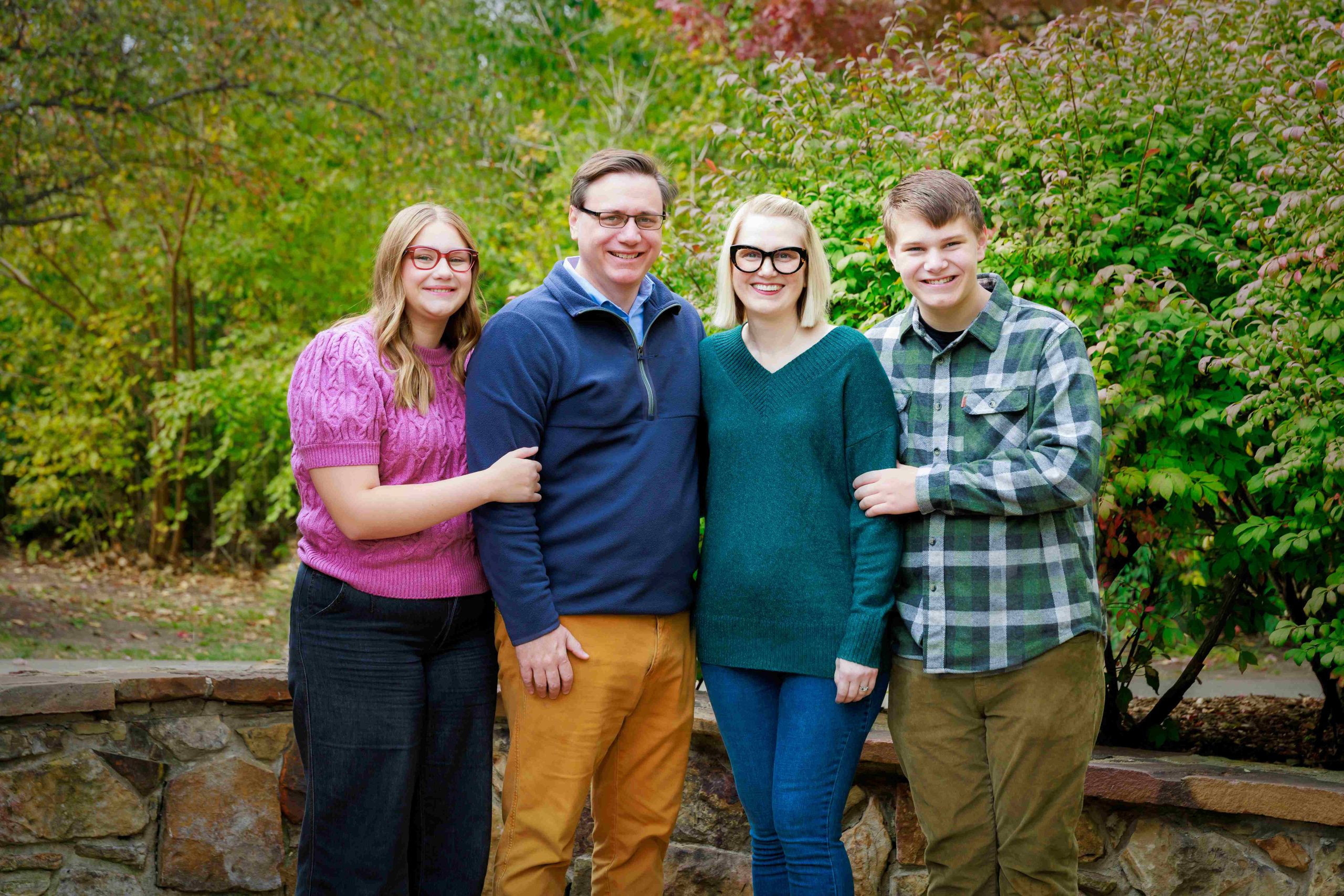
Wichita Mom Blog Post Why Estate Planning is Important in Any Stage of Life
Continue reading ›
DIY estate planning can lead to costly mistakes, probate problems, and invalid documents. Learn why working with a Wichita estate planning attorney matters.
Continue reading ›
Learn why updating your will, trust, powers of attorney, and beneficiary designations after divorce is critical under Kansas estate planning law.
Continue reading ›
Learn the essential legal documents aging parents should have, including powers of attorney, living wills, HIPAA releases, and estate planning tools in Kansas.
Continue reading ›
earn how to start family conversations about estate planning, wills, trusts, powers of attorney, and healthcare wishes with guidance for Kansas families.
Continue reading ›
Learn why naming a guardian for your minor children is critical in Kansas estate planning. Protect your children and ensure your wishes are honored.
Continue reading ›
A power of attorney is one of the most important estate planning documents for Wichita residents. It allows a trusted individual to make financial and medical decisions on your behalf if you become incapacitated, helping you avoid court proceedings and maintain control over your future. Every Kansas estate plan should include updated powers of attorney.
Continue reading ›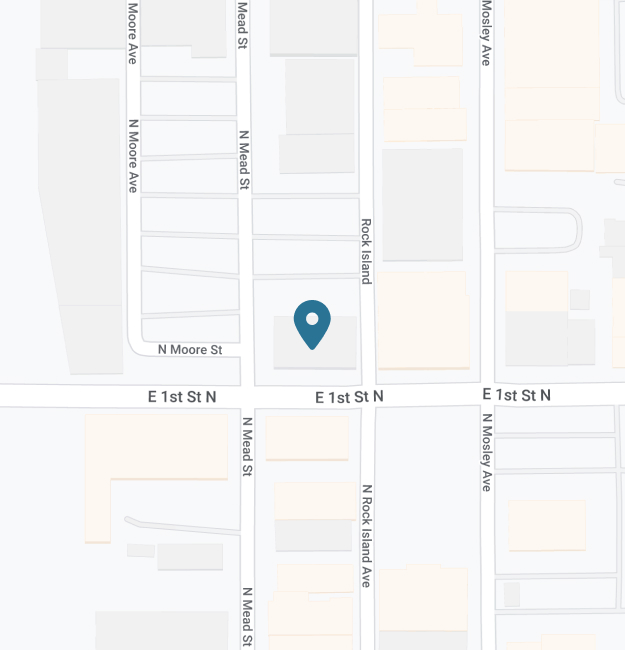
Our offices are located in the heart of Wichita's Old Town at the corner of First and Mead with plenty of free parking available.