- Free Consultation* (316) 265-0797 Tap Here to Call Us




Common Reasons Trusts Fail—and How to Avoid Them



A living trust can be a valuable part of an estate plan. But signing a trust document does not automatically mean your home, accounts, and other assets will be handled the way you intend. When people say a trust “failed,” they often mean it did not accomplish its purpose—not necessarily that the trust was legally invalid. Assets may still require probate, a beneficiary may receive money outside the trust’s safeguards, or a successor trustee may struggle to carry out the instructions.
For Kansas families, a successful trust plan requires more than paperwork. It requires proper funding, coordination, and ongoing attention. Here are common mistakes to watch for, particularly with revocable living trusts.
1. The Trust Was Never Properly Funded
Creating the trust is only part of the process. Funding a trust means taking the appropriate steps to place assets under the trust’s ownership or control.
Depending on the asset, that may involve a deed, changes to account ownership, an assignment, or another legally effective transfer or declaration. Simply writing an asset’s name on a list should not be assumed to complete every required step.
Kansas law recognizes several ways to create a trust, including transferring property to a trustee or declaring that an owner holds property as trustee. The appropriate method depends on the asset and its existing ownership and beneficiary arrangements.
How to avoid this mistake: Create an asset-by-asset funding checklist with your attorney, complete the required steps, and confirm the results with deeds, statements, or other records.
2. Beneficiary Designations Do Not Match the Plan
A trust cannot be assumed to control every asset you own. Retirement accounts, life insurance, and accounts with payable-on-death or transfer-on-death designations may pass under their own beneficiary arrangements rather than the trust’s distribution instructions.
For example, if your trust is intended to hold a child’s inheritance until a later age, an account payable directly to that child may bypass those protections. Kansas’s trust-creation statute specifically limits an owner’s declaration of trust where the property would otherwise pass at death by a beneficiary designation to someone other than the trust.
How to avoid this mistake: Review beneficiary forms alongside the trust. Do not automatically name the trust on every account; retirement accounts and other assets can require special tax and distribution planning.
3. Newly Acquired Assets Are Left Out
Even a carefully funded trust can become incomplete. You may purchase another home, open a new account, receive an inheritance, or acquire an interest in a business without considering how that asset fits the estate plan.
A trust plan should be reviewed when you acquire or change ownership of significant assets. Do not assume a new account or property is covered simply because older assets were handled correctly.
How to avoid this mistake: Make estate-plan coordination part of major financial transactions. Ask whether the new asset should be held in the trust, pass by beneficiary designation, or be handled another way.
4. The Trust No Longer Reflects Your Family or Goals
A trust drafted years ago may name a trustee who can no longer serve, overlook a new family member, or distribute property in a way that no longer makes sense. Marriage, divorce, deaths, disability, and changes in family relationships can all make a review worthwhile.
Not every trust can be freely changed. The trust’s own amendment provisions matter, so informal handwritten changes or verbal instructions should not be treated as a properly prepared update.
How to avoid this mistake: Review the plan periodically and after major life events. Make updates through the appropriate legal process rather than relying on informal directions.
5. The Wrong Successor Trustee Is Chosen
A successor trustee may need to locate assets, maintain records, communicate with beneficiaries, pay appropriate expenses, and make distributions. Someone who is trustworthy but overwhelmed, unavailable, or uncomfortable managing finances may struggle with those responsibilities.
How to avoid this mistake: Consider judgment, organizational skills, availability, and potential family conflict—not simply who is the oldest child or closest relative. Discuss backup trustees and whether professional assistance would be appropriate.
6. Instructions Are Unclear or Poorly Matched to the Beneficiaries
Vague distribution instructions can create confusion. A plan may also fall short if it does not account for a beneficiary’s age, disability, financial circumstances, or need for continuing management.
For example, an outright distribution may not accomplish the same goals as a continuing trust. Conversely, overly restrictive terms may create unnecessary administration and frustration.
How to avoid this mistake: Discuss what you want the inheritance to accomplish. Ask how the proposed terms will operate in real situations, including a beneficiary’s death or a change in their needs.
7. Important Documents and Account Information Cannot Be Found
A successor trustee cannot efficiently administer a plan they cannot locate or understand. Missing deeds, outdated account information, and uncertainty about which trust amendment is current can delay the process.
How to avoid this mistake: Maintain an organized, secure collection of trust documents and an up-to-date asset inventory. Let the appropriate person know where to find them without unnecessarily sharing sensitive passwords or financial information.
8. The Trust Is Expected to Do Everything
A trust is one part of an estate plan—not a replacement for every other planning tool. It does not automatically govern assets left outside it, authorize every financial action during incapacity, or eliminate all administration after death.
A coordinated plan may also include a will, financial power of attorney, health-care documents, and beneficiary designations. Each serves a different purpose. A pour-over will, should not be mistaken for proof that lifetime trust funding is complete, it is there as a back up in case something was missed. However, missing something could lead to probate which is often what the grantor was trying to avoid.
How to avoid this mistake: Review the entire plan together. Ask which document or ownership arrangement governs each asset and who has authority to act if you become unable to manage your affairs.
A Trust Review Should Include More Than the Trust Document
When reviewing your plan, consider these questions:
- Are the assets intended for the trust actually held or directed to it appropriately?
- Do beneficiary designations support the overall plan? (Always check your beneficiaries to make sure they are correct every few years)
- Have new accounts or property been addressed?
- Are the trustees and backup trustees still suitable?
- Do the distribution terms reflect your current wishes and your beneficiaries’ needs?
- Can the successor trustee locate the current documents and financial records?
The bottom line: A well-written trust can still fall short if it is not properly implemented and maintained. The document, asset ownership, beneficiary forms, and supporting estate-planning documents should work together.
Review Your Trust Plan With Minter & Pollak
Whether you are creating a trust or reviewing an existing plan, understanding how your assets will actually pass is essential. Contact Minter & Pollak at 316-265-0797 to discuss your estate-planning goals and whether your trust, funding arrangements, and beneficiary designations work together. We provide free consultations for estate planning matters.
This article provides general information about Kansas estate planning and is not legal advice. Reading it does not create an attorney-client relationship. The appropriate plan depends on your circumstances, the terms of your documents, and applicable law. Consult a qualified attorney about your specific situation.
Address
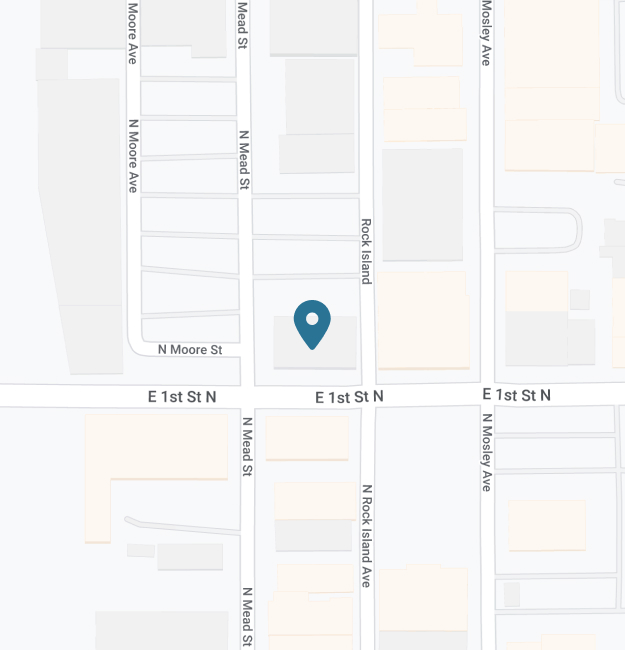
Our offices are located in the heart of Wichita's Old Town at the corner of First and Mead with plenty of free parking available.