- Free Consultation* (316) 265-0797 Tap Here to Call Us




What Assets Should Be Put Into a Trust?



One of the biggest estate planning mistakes people make is creating a trust and then not funding it. Creating a revocable living trust is an excellent first step in estate planning—but simply signing the trust documents isn’t enough. To receive the full benefits of a trust in order to avoid probate, you must fund the Trust by transferring ownership of certain assets into it. A trust that isn’t funded may fail to accomplish many of the goals it was created for.
Understanding which assets belong in a trust—and which generally should not—can help you avoid probate, protect your loved ones, and simplify the administration of your estate.
Why Put Assets Into a Trust?
A properly funded revocable living trust offers several important advantages:
- Avoids probate for assets titled in the trust
- Provides continuity if you become incapacitated
- Maintains greater privacy than a probate proceeding
- Simplifies the transfer of assets after your death
- Allows you to control how and when beneficiaries receive their inheritance
However, these benefits only apply to assets that are actually transferred into the trust.
Assets That Should Usually Be Put Into a Trust
1. Real Estate
For many families, real estate is the most valuable asset they own and one of the most important assets to place in a trust. This includes:
- Your primary residence
- Vacation homes
- Rental properties
- Vacant land
- Commercial property
Transferring real estate into a trust generally requires preparing and recording a new deed naming the trust as the owner. Doing so can help your heirs avoid the delays and expenses associated with probate. If you own commercial properties you should discuss transferring them to a corporate structure like a Limited Liability Company to provide additional asset protection.
2. Bank Accounts
Checking accounts, savings accounts, money market accounts, and certificates of deposit (CDs) can often be retitled into your trust. Keeping these accounts in your trust allows your successor trustee to access them if you become incapacitated and enables a smoother transfer after your death. CDs are very important to have in the name of the Trust as beneficiary designations are often missed on these as individuals rate shop often having accounts at multiple banks.
3. Brokerage and Investment Accounts
Many investment accounts can also be transferred into a revocable living trust, including:
- Individual brokerage accounts
- Stocks
- Bonds
- Mutual funds
- Exchange-traded funds (ETFs)
Rather than freezing during probate, these assets can continue to be managed by your successor trustee. This does not include retirement accounts which are discussed later in this article.
4. Business Interests
If you own a business, your ownership interest may be an excellent candidate for your trust. Examples include:
- LLC membership interests
- Shares in a closely held corporation
- Partnership interests
- Sole proprietorship assets
- Individually owned certificated stocks
Business succession planning is a critical part of an overall estate plan.
5. Valuable Personal Property
A trust may also own valuable tangible personal property, such as:
- Jewelry
- Artwork
- Antiques
- Firearms (subject to applicable laws)
- Collectibles
- Family heirlooms
Many attorneys prepare a general assignment transferring household personal property into the trust while separately addressing especially valuable items. These assignments will also include any personal property that you obtain in the future.
6. Intellectual Property and Digital Assets
Today’s estates often include:
- Copyrights
- Trademarks
- Royalties
- Domain names
- Cryptocurrency
- Digital business assets
These assets should be reviewed individually to determine the best ownership structure.
Assets That Generally Should NOT Be Put Into a Trust
Not every asset belongs in a revocable living trust.
Retirement Accounts
Generally, you should not retitle:
- 401(k)s
- Traditional IRAs
- Roth IRAs
- 403(b)s
Changing ownership can trigger unintended tax consequences. Instead, these accounts typically pass through properly designated beneficiaries. Attorneys can advise you when a Trust should be a beneficiary of these types of accounts.
Health Savings Accounts (HSAs)
HSAs also have unique tax rules and are generally left outside a revocable trust.
Certain Life Insurance Policies
While the proceeds of life insurance may ultimately benefit your trust through beneficiary designations, ownership of the policy itself should be evaluated carefully because different strategies may apply depending on your goals.
Everyday Vehicles
Cars, trucks, motorcycles, and recreational vehicles are often left outside a trust in many states because the probate advantages may be minimal compared to the paperwork involved. State law should always be considered before making this decision. Also, speak with your attorney as there might be state specific ways to transfer a vehicle while avoiding probate such as transfer on death designations on your title.
Funding Your Trust Is Essential
One of the biggest mistakes people make is creating a trust but never transferring their assets into it. Simply listing an asset in your trust document does not place it in the trust. Ownership must actually be changed through the appropriate legal documents, such as deeds, account registrations, assignments, or beneficiary designations. This process is known as funding the trust, and it is one of the most important parts of effective estate planning.
Every Estate Is Different
The right assets for your trust depend on factors such as:
- The size of your estate
- Your family circumstances
- Age of your beneficiaries
- Whether you own a business
- Tax considerations
- Multiple-state property ownership
- Your long-term planning goals
There is no one-size-fits-all solution.
Let Minter & Pollak Help
At Minter & Pollak, we help individuals and families create customized estate plans that protect what matters most. Whether you’re creating a new revocable living trust or reviewing an existing plan, we’ll help ensure your trust is properly funded and designed to meet your unique goals.
A well-crafted trust is only effective if the right assets are placed into it. Our experienced estate planning attorneys can guide you through every step of the process so your loved ones receive the protection and peace of mind you intended.
Call our office today at 316-265-0797 or click here to schedule a free consultation to create a plan that protects your family’s future.
Photo by Getty Images on Unsplash.
Disclaimer: The information on this website and in its blog posts is provided for general informational purposes only. It is not legal advice and should not be relied upon as a substitute for advice from a qualified lawyer or other professional regarding your particular circumstances.
Address
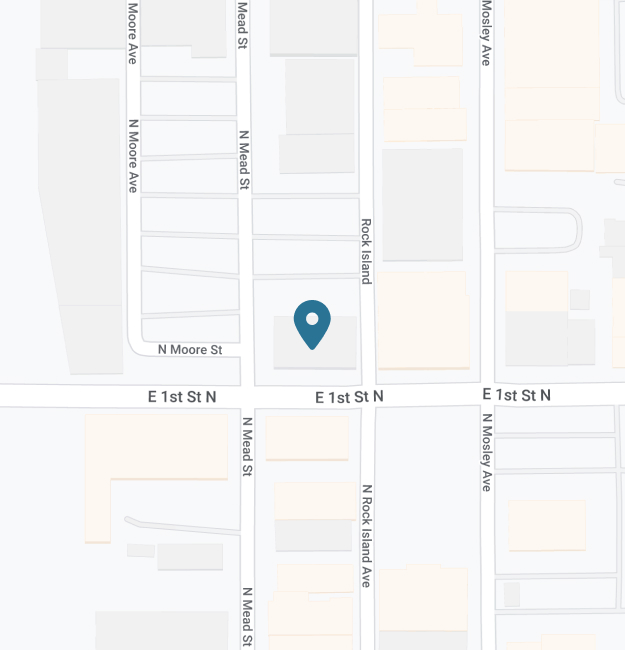
Our offices are located in the heart of Wichita's Old Town at the corner of First and Mead with plenty of free parking available.